If you are house hunting in Glen Ellyn, one question can shape your whole search: do you want the charm of a vintage home or the ease of something newer? It is a common fork in the road, especially in a community where older homes make up much of the housing stock and new construction is relatively limited. The good news is that each option offers real advantages, and the right fit usually comes down to your budget, lifestyle, and comfort with future projects. Let’s dive in.
Glen Ellyn Housing Context
Glen Ellyn has an established housing base, which helps explain why this choice matters so much here. According to the village housing assessment using 2020 ACS estimates, 21% of homes were built before 1950, 57% were built from 1950 to 1989, and about 12% were built since 2000. The median year built falls in the 1950s.
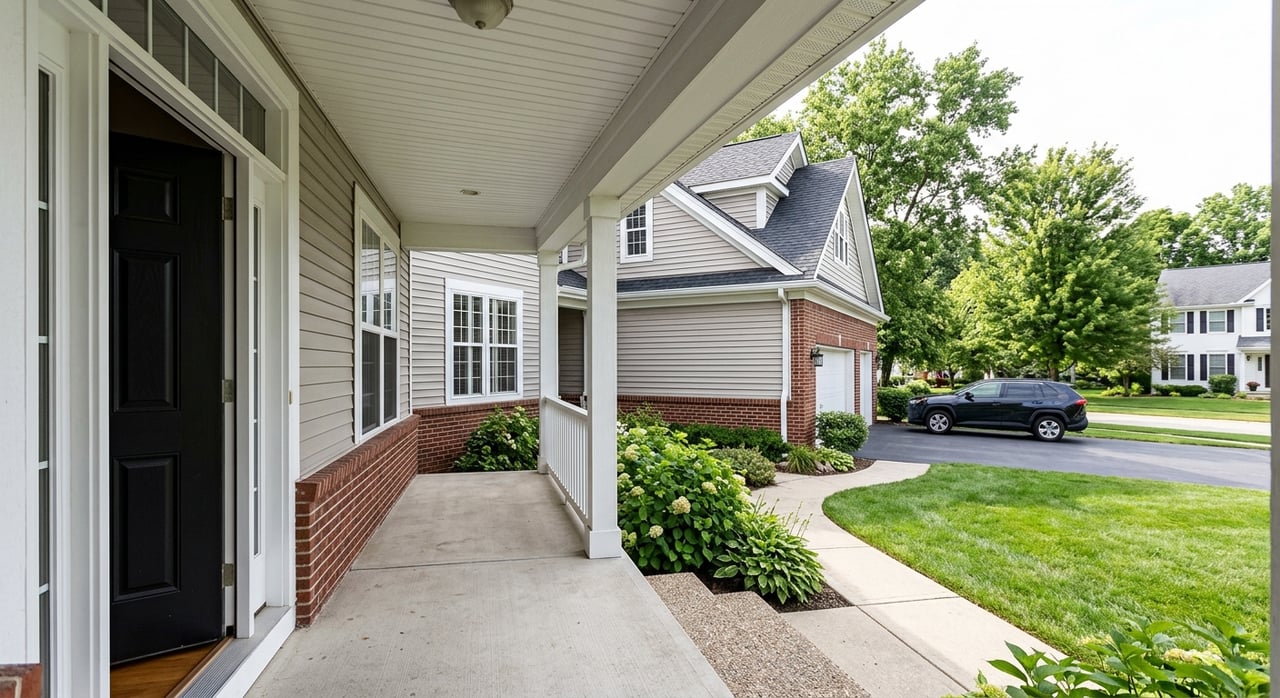
That means you are shopping in a market where older homes are part of the community’s identity. The village describes many older neighborhoods as having front porches, street-facing windows, consistent setbacks, rear garages, and mature trees. If you are drawn to established streetscapes, Glen Ellyn offers plenty of them.
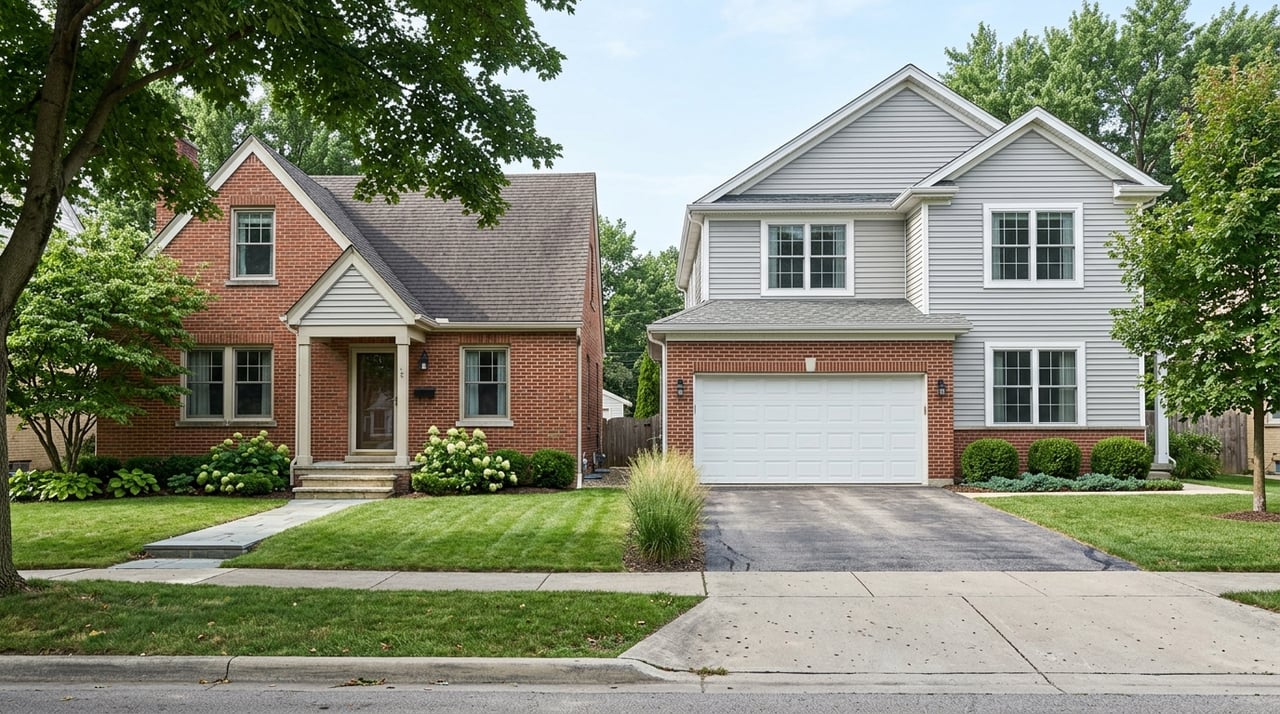
Newer homes exist, but they are much less common. Because Glen Ellyn is generally built out, most new construction is infill, teardown-and-rebuild, or small redevelopment rather than large new subdivisions. For buyers, that often means fewer choices and higher prices in the new-build segment.
Why Buyers Love Vintage Homes
Vintage homes in Glen Ellyn often stand out for their character. Current listings for 1920s-era properties highlight details like original oak moldings, arched fireplaces, built-ins, nine-foot ceilings, porches, attics, and enclosed porches. These are the kinds of features many buyers find hard to duplicate in a modern build.
There is also a feel to older homes that appeals to people who want something distinct. In many cases, the layout reflects more traditional room separation instead of one large open space. If you like defined living areas and architectural detail, a vintage home may feel more personal and memorable.
Another draw can be the variety in price points. Research examples for 1920s Glen Ellyn homes ranged from about $511,000 for a smaller home to roughly $1.04 million for a larger 1920-built home. That wide spread shows that age alone does not determine value. Condition, location, lot size, and renovation quality all matter.
Vintage Home Benefits
- Architectural details that are difficult to recreate
- Established streets with mature trees and consistent setbacks
- More variety in style and lot character
- Potentially lower entry price than some new builds
What to Watch for in Older Homes
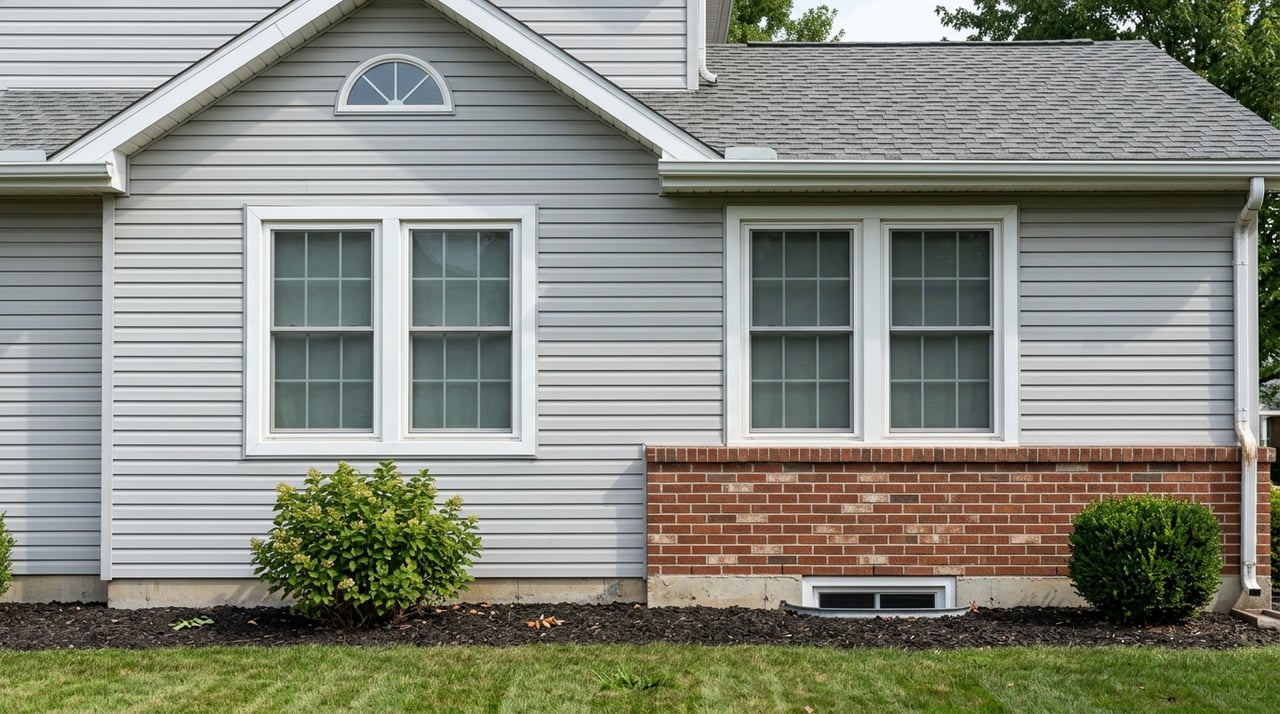
The biggest practical trade-off with vintage homes is maintenance. Older homes may have less insulation than homes built today, and that can affect comfort and utility costs. Air sealing and insulation upgrades can help, but they may become part of your post-purchase plan.
If a home was built before 1978, you should also expect lead-based paint disclosure. If you plan to renovate, lead-safe work practices may be part of the process. This does not mean every older home is a problem, but it does mean you should go in with clear eyes and ask good questions.
Layout can be another consideration. Some buyers love distinct rooms, while others want open sight lines and easier flow between kitchen, dining, and living spaces. If you know you want a more modern floor plan, think carefully about whether you are comfortable remodeling or whether a newer home may be a better match from the start.
In some cases, exterior updates may need to align with village preservation guidance. Glen Ellyn’s preservation materials encourage renovation over replacement and offer direction for historic homes and new construction in older neighborhoods. If preserving original character matters to you, that can be a positive. If you want to make major exterior changes, it is something to explore early.
Why Buyers Choose New Construction
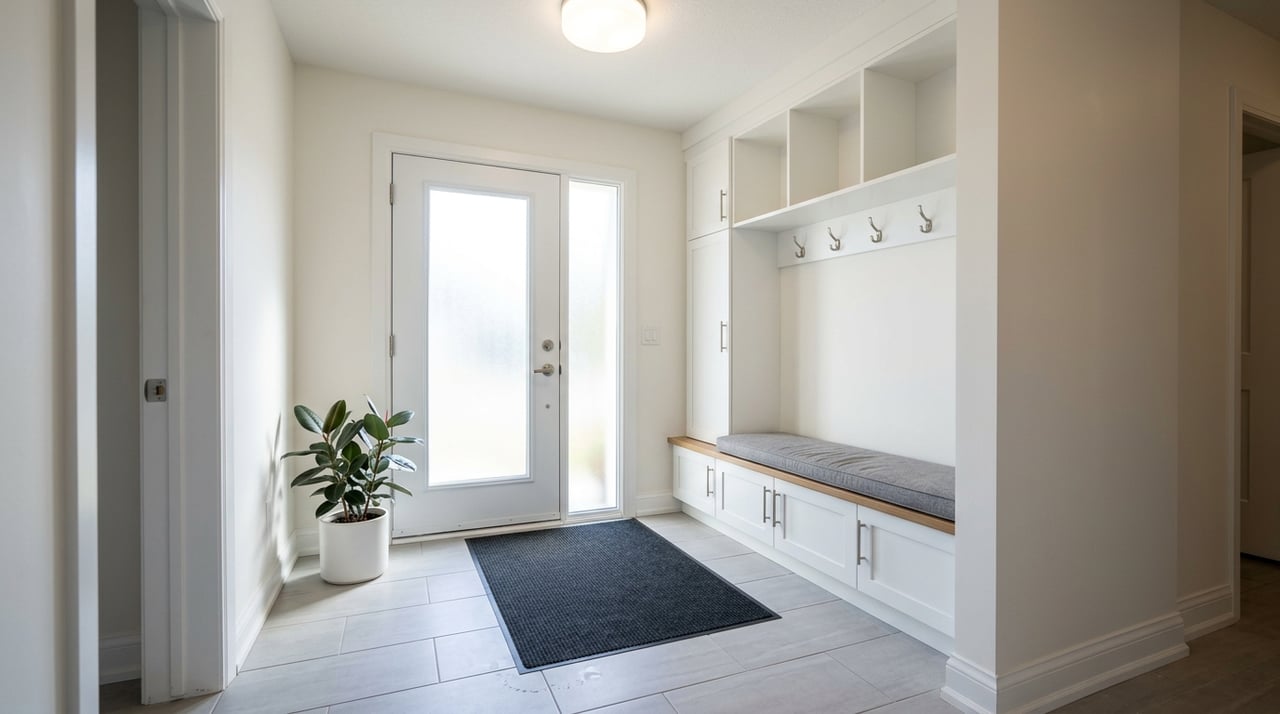
New construction in Glen Ellyn usually attracts buyers who want convenience, modern layouts, and newer systems. Current listings often feature open floor plans, designer finishes, and mudroom spaces. If you are looking for a home that feels move-in ready with fewer immediate projects, this category can be very appealing.
Energy efficiency is another major benefit. Glen Ellyn has adopted current building codes, including the 2024 International Energy Conservation Code for permit applications received after January 1, 2024. ENERGY STAR certified new homes are designed to be at least 10% more energy efficient than homes built to code and average about a 20% improvement.
For many buyers, newer systems also reduce near-term maintenance risk. A newer roof, windows, insulation package, and mechanical systems can make monthly ownership feel more predictable. That peace of mind matters, especially if you want to avoid large year-one repair surprises.
New Construction Benefits
- Open layouts and modern room flow
- Current code standards and newer building systems
- Better energy performance potential
- Fewer immediate maintenance or update projects
The Main Challenge With New Homes
The biggest friction point with new construction in Glen Ellyn is usually price. Realtor.com research shows a median listing price of $600,000 for new construction, but active new-build listings were significantly higher, with examples around $965,000, $995,000, $1.349 million, $1.625 million, and $1.842 million. Zillow research showed a similar pattern, with several new homes in the $1.3 million to $1.8 million range.
Inventory is also limited. Current search pages showed only about 7 to 8 new-construction results in Glen Ellyn. Because the village is largely built out, scarcity plays a big role in the premium buyers see.
That does not mean new construction is out of reach for every buyer. It does mean you may need to be flexible on timing, lot type, or final budget if a newer home is at the top of your list. In Glen Ellyn, newer homes are often a more specialized segment rather than a broad entry point into the market.
Vintage vs New at a Glance
| Factor | Vintage Homes | New Homes |
|---|---|---|
| Style | Distinct architectural character | Cleaner, more modern finishes |
| Layout | Often more traditional and compartmentalized | Often more open and flexible |
| Maintenance | May need updates sooner | Typically fewer near-term projects |
| Efficiency | May need insulation or air sealing improvements | Built to current code standards |
| Inventory | More common in Glen Ellyn | Limited and often scarce |
| Pricing | Wide range based on condition and updates | Often priced at a premium |
Questions to Ask Before You Tour
No matter which direction you are leaning, the right questions can save you time and help you compare homes more clearly. In Glen Ellyn, this is especially important because vintage and new homes often solve very different needs.
For vintage homes, ask about the age of the roof, windows, mechanical systems, and insulation. If the home predates 1978, ask about lead-based paint disclosure and whether any updates have already been completed. These questions help you estimate what your first few years of ownership may really look like.
For new homes, ask whether the home is ENERGY STAR certified or otherwise built to current energy code. You should also ask what the builder warranty covers. Those details can help you understand both efficiency and potential repair protection.
It also helps to compare the total monthly cost, not just the list price. Market snapshots for Glen Ellyn vary by source and metric, with reported figures including a March 2026 median sale price of $505,000, an average home value of $569,936, and a median listing price of $549,000. Using the same metric across homes will give you a cleaner comparison.
How to Decide What Fits You Best
If you value originality, mature streetscapes, and one-of-a-kind details, a vintage Glen Ellyn home may be the better match. You may take on more updates over time, but you could end up with a home that feels deeply rooted in the community. For many buyers, that trade-off is worth it.
If you want fewer projects, a more open layout, and newer systems, new construction may fit your goals better. You will likely pay more for that convenience, and your choices may be limited, but the day-to-day ease can be a strong advantage.
In the end, the best answer is usually not about age alone. It is about how you want to live, what you want to spend each month, and how much work you are willing to take on after closing. When you look at homes through that lens, the right choice often becomes much clearer.
Whether you are comparing a classic older property or a newer infill build in Glen Ellyn, having local guidance can make the decision easier. If you want a thoughtful, data-driven approach to your home search, connect with Afrouz Kameli for trusted insight on Glen Ellyn and the western suburbs.
FAQs
What is the main difference between vintage and new homes in Glen Ellyn?
- Vintage homes in Glen Ellyn usually offer more character, traditional details, and established surroundings, while new homes typically offer open layouts, newer systems, and stronger energy efficiency.
Are vintage homes in Glen Ellyn usually less expensive than new construction?
- They can be, but pricing varies widely based on condition, lot, size, and renovation level. In Glen Ellyn, new construction often carries a premium because inventory is limited.
Is new construction easy to find in Glen Ellyn?
- No. Glen Ellyn is largely built out, so new homes are usually infill or redevelopment projects rather than homes in large new subdivisions.
What should you ask when touring an older home in Glen Ellyn?
- Ask about the roof, windows, insulation, mechanical systems, and any lead-based paint disclosure if the home was built before 1978.
What should you ask when touring a new home in Glen Ellyn?
- Ask whether the home meets current energy code, whether it is ENERGY STAR certified, and what the builder warranty covers.
How do you choose between a vintage and new Glen Ellyn home?
- Focus on your lifestyle, budget, renovation comfort level, and how important character, layout, efficiency, and maintenance are to you.