Thinking about a move to Glen Ellyn? A relocation decision can feel exciting and overwhelming at the same time, especially when you are trying to picture daily life, commuting options, and the details that make a new town feel manageable. This guide will help you understand what it is like to live in Glen Ellyn, what to check before you move, and how to make your transition smoother from day one. Let’s dive in.
Why Glen Ellyn draws new residents
Glen Ellyn is about 23 miles west of downtown Chicago and sits in west suburban DuPage County. For many buyers and relocating households, that location creates a practical balance between suburban living and access to the city.
The village also highlights a historic downtown with locally owned shops, unique restaurants, a restored 1920s movie theater, and seasonal events. If you want a community where errands, dining, and a simple evening out can happen in one central area, that downtown setting is often part of the appeal.
Getting around from Glen Ellyn
Commuting by Metra
The Glen Ellyn Metra station is on the Union Pacific West line at 551 Crescent Blvd. at Main Street. The station is accessible, includes ticket vending machines, and serves Ogilvie Transportation Center in downtown Chicago.
According to the village, the rush-hour trip to and from the Loop is about 36 minutes. If your work or routine takes you into Chicago, that gives you a useful benchmark when comparing Glen Ellyn with other western suburbs.
Parking is also a practical part of the commute conversation. Metra lists 772 total parking spaces at the station, including 213 daily-only spaces and 25 ADA spaces.
Driving routes to know
If you expect to drive often, Glen Ellyn is served by several major corridors. The village identifies North Avenue, Butterfield Road, Roosevelt Road, I-355, I-88, and I-290 as key routes.
That matters because your day-to-day convenience may depend less on the village as a whole and more on how close your home is to the route you use most. A location that works well for a rail commuter may feel very different from one that is better for a highway commute.
Local parking and transit options
Downtown Glen Ellyn offers several parking types, including permit, lease, meter, and pay-as-you-park options. There is also customer parking with free on-street parking, free 3-hour parking in the garage and Main Street lot, and free public parking after 3 p.m. daily and on weekends.
If you want flexibility beyond driving, Pace Route 715 serves the Glen Ellyn station and connects to places such as College of DuPage, Yorktown Center, Midwestern University, and the BNSF Westmont station. For eligible senior and disabled residents, Ride DuPage also serves Glen Ellyn and Wheaton.
What housing feels like block to block
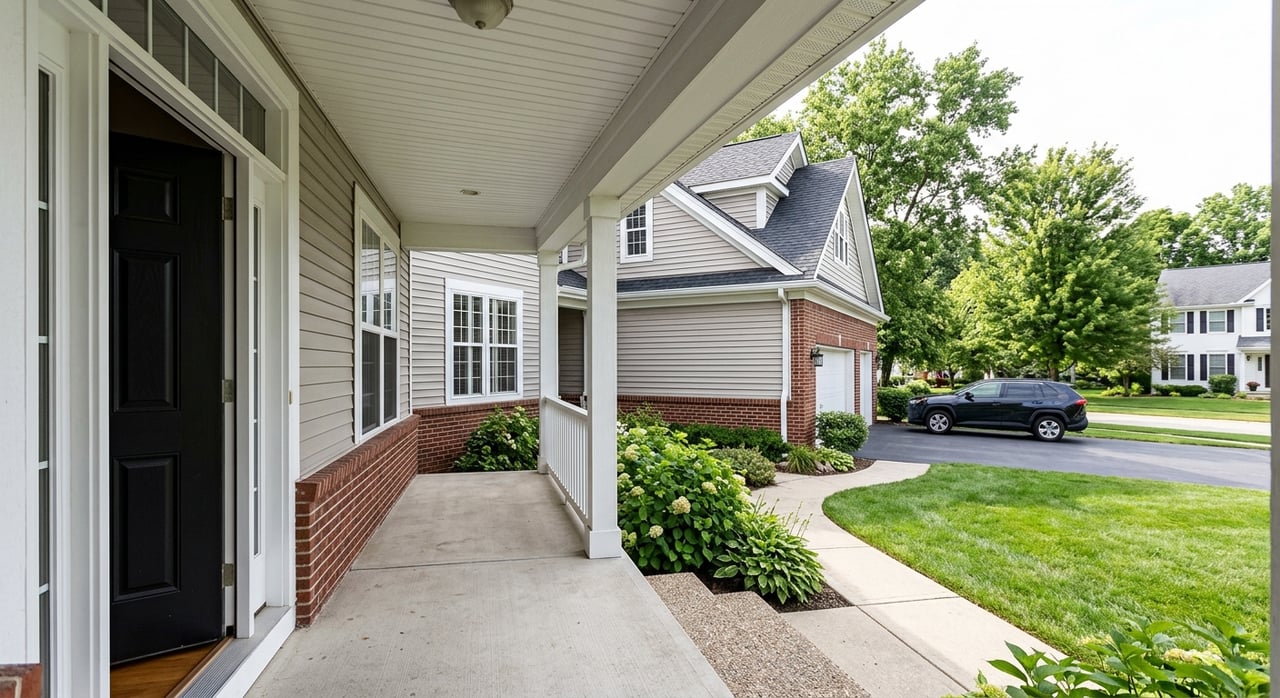
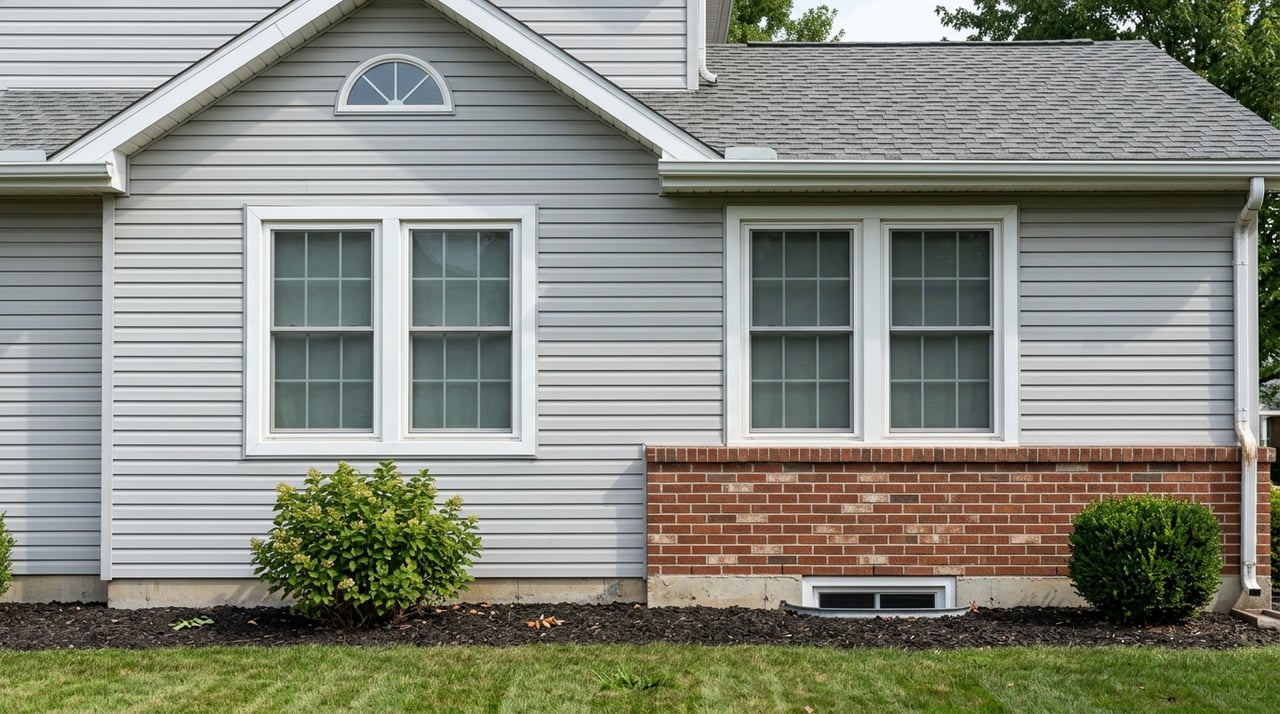
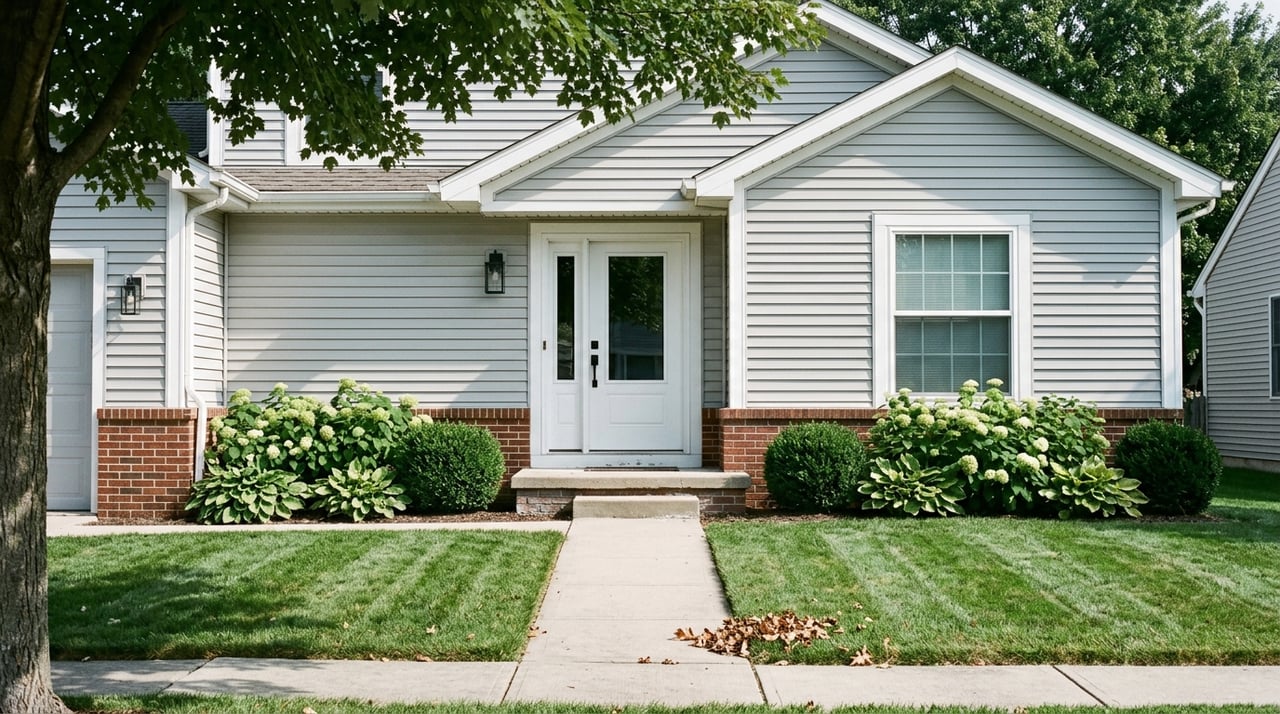
One of Glen Ellyn’s defining features is its variety. The village describes its historic character as an eclectic mix, with architectural styles that include Greek Revival, Gothic Revival, Italianate, Queen Anne, Colonial Revival, Tudor Revival, Craftsman Bungalow, Dutch Colonial, Prairie, and Ranch.
That variety can make your home search more interesting, but it also means you should avoid assuming every part of Glen Ellyn looks or feels the same. Some streets may have front porches, mature trees, shared setbacks, and rear garages, while others may reflect more mid-century ranch design.
For a relocating buyer, this is important because photos alone may not tell the full story. A home can match your needs on paper, but the block itself may shape how the property feels once you see it in person or on video.
Village services to set up early
Utilities and monthly billing
When you move to Glen Ellyn, you will want to get basic services lined up quickly. The village lists ComEd for electric, Nicor Gas, and Village of Glen Ellyn water service, along with Comcast, WOW, and AT&T U-Verse as cable-service options.
The village notes that water comes from Lake Michigan through the City of Chicago and the DuPage Water Commission. It also states that sewer flow is collected by the village and conveyed to the Glenbard Wastewater Authority.
You should also plan for monthly water and sewer billing. Knowing that in advance can help you set up your household budget and avoid surprises during your first few months.
Trash, recycling, yard waste, and stickers
Everyday logistics matter during a move, especially once the boxes start piling up. New residents should expect weekly refuse and recycling collection on Mondays, or on Tuesday after a Monday holiday.
Yard-waste collection runs on Mondays from April through November. The village also provides brush-and-branch collection once a month from May through October, plus curbside composting.
If you are bringing a car, Glen Ellyn requires a vehicle sticker for each car registered to a Glen Ellyn address. That is one of those easy-to-miss details that is worth adding to your moving checklist.
Helpful resident tools
The village offers several tools that can simplify your transition. New residents can use a new resident packet, community directory, change-of-address form, emergency alert sign-up, and a property lookup tool.
The property lookup tool can show property summary information, zoning, government representatives, and maps. If you are still narrowing down homes before your move, that can be especially useful for confirming details before you commit.
Everyday places that support daily life
A smooth relocation is not only about the house. It is also about the places you are likely to use in your first month, your first season, and your first year.
Glen Ellyn Public Library is located at 400 Duane Street. The library lists current hours Monday through Thursday from 9 a.m. to 9 p.m., Friday from 9 a.m. to 6 p.m., Saturday from 9 a.m. to 5 p.m., and Sunday from 1 p.m. to 5 p.m. The library also lists passport services.
The Glen Ellyn Park District says it operates 29 parks, one outdoor aquatic facility, four recreation buildings, 23 multipurpose parks and playgrounds, and two lakes. It also includes facilities such as Ackerman Sports & Fitness Center and Lake Ellyn Boathouse.
For many new residents, these are the kinds of anchors that help a place feel usable right away. They can give you simple options for recreation, routines, and getting oriented after your move.
How to plan a smart scouting trip
If you are relocating from outside the area, a focused scouting trip can save you time and help you compare homes more realistically. A practical approach is to test one rail commute, one drive commute, and one walkable downtown block in the same day.
Try to compare each route during both morning and evening traffic if possible. That gives you a better sense of what your real week might look like, not just what the map says.
Before tours, use the village’s new-resident materials and property lookup tool to confirm zoning, maps, and local rules. If you are considering an older home, ask for photos or video that show porch depth, garage placement, setbacks, and tree cover, since those are part of Glen Ellyn’s documented historic character.
Tips for a virtual move to Glen Ellyn
If you cannot visit right away, you can still narrow your options in a practical way. Ask for video that shows not only the interior but also the full street view, front approach, backyard, and parking setup.
For homes near the station or downtown, it helps to understand whether you would need commuter parking, downtown permit parking, or only occasional customer parking. That question can affect convenience more than buyers expect.
You can also compare how a home connects to your likely routines. If your household may want backup mobility, look at how close the property is to the Metra station, Pace Route 715, or the main driving corridors you expect to use most.
A practical moving checklist
Here are a few of the first items to put on your Glen Ellyn relocation list:
- Set up electric, gas, water, and internet service
- Confirm monthly water and sewer billing expectations
- Review refuse, recycling, yard-waste, and brush collection schedules
- Register for village emergency alerts by text or email
- Check whether your household needs vehicle stickers
- Review station and downtown parking options
- Use the property lookup tool to verify zoning and maps
- Visit or identify key daily-life anchors like the library, parks, and fitness facilities
A relocation goes more smoothly when you treat daily logistics as part of the home search, not as an afterthought. The right house matters, but so does how easily you can settle into your routine once you arrive.
If you are planning a move to Glen Ellyn, working with someone who knows DuPage County block by block can make the process clearer and less stressful. For tailored guidance on neighborhoods, commute tradeoffs, and the local search process, reach out to Afrouz Kameli.
FAQs
What is the commute from Glen Ellyn to downtown Chicago?
- The village says the rush-hour Metra trip from Glen Ellyn to the Loop is about 36 minutes on the Union Pacific West line to Ogilvie Transportation Center.
What utilities do new Glen Ellyn residents need to set up?
- New residents should expect to set up electric with ComEd, gas with Nicor Gas, village water service, and internet or cable service through listed providers such as Comcast, WOW, or AT&T U-Verse.
What should you know about Glen Ellyn parking options?
- Glen Ellyn offers commuter and downtown parking options that include permit, lease, meter, pay-as-you-park, and some free customer parking, with free public parking after 3 p.m. daily and on weekends in certain areas.
What kinds of homes are common in Glen Ellyn?
- The village describes an eclectic housing mix that includes styles such as Queen Anne, Tudor Revival, Craftsman Bungalow, Prairie, Colonial Revival, and Ranch, so block-by-block differences can be significant.
What village services should new Glen Ellyn residents handle first?
- Early priorities include reviewing monthly water and sewer billing, collection schedules for refuse and recycling, yard-waste service, emergency alerts, vehicle stickers, and the village property lookup and new resident resources.