If you have been thinking about buying your first investment property in Lombard, you are not alone. Many buyers are drawn to the area because it offers a residential setting, strong commuter access, and an established housing market, but getting started can still feel overwhelming. The good news is that you do not need to know everything on day one to make a smart first move. You just need to understand the local market, the numbers, and the property types that fit your goals. Let’s dive in.
Why Lombard Appeals to New Investors
Lombard offers a mix that many first-time investors look for. It is a primarily residential community with a thriving commercial base, and it has access to I-355, I-88, I-290, and Metra service. That combination can support both resale appeal and rental demand.
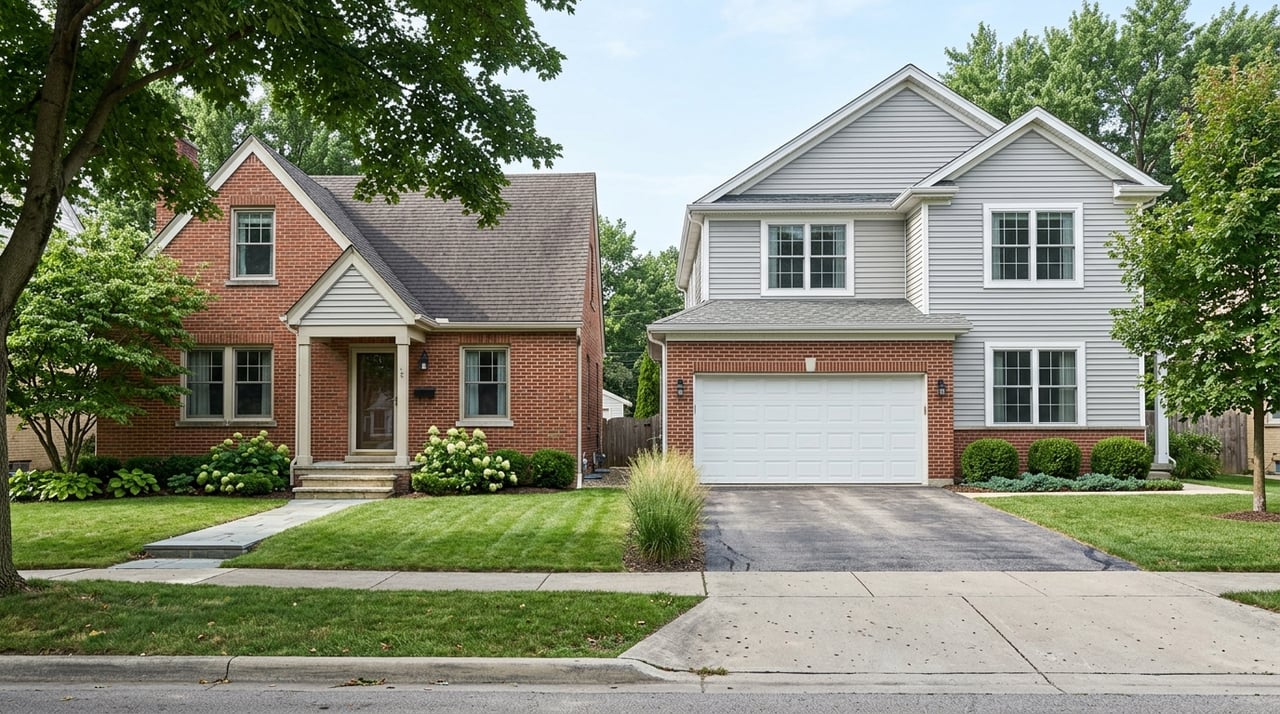
The local housing mix also matters. According to CMAP’s Lombard snapshot, the housing stock is still led by single-family detached homes, but there is also a meaningful share of small multifamily housing. At the same time, about 30.2% of housing units are renter-occupied, which suggests there is an active rental market without an overwhelming concentration of large apartment inventory.
What the Lombard Market Looks Like
Lombard is a competitive market, so your first investment property may require patience and a clear plan. Redfin reported a median sale price of $362,563 for the three months ending April 2026, with homes getting about 3 offers on average and selling in about 45 days. Zillow’s May 31, 2026 snapshot showed a typical home value of $390,205, along with 130 for-sale listings, 75 new listings, and a median 6 days to pending.
Those figures are not exact matches because they use different methods and timeframes. Still, they point to the same takeaway: you should expect pricing pressure and be ready to evaluate opportunities quickly. For a first-time investor, that means doing your homework before you start touring properties.
Zillow also reported an average asking rent of about $2,200 per month in early June 2026. As a rough screen only, that suggests a gross rent-to-value ratio of about 6.8% when compared with Zillow’s typical home value. That is not the same as a cap rate, since it does not include expenses or financing, but it can help you decide whether a listing is worth deeper analysis.
Choosing the Right First Property Type
Your best first investment property depends on your budget, risk tolerance, and whether you plan to live in the property. In Lombard, a few options stand out more than others for beginners.
Single-Family Rentals
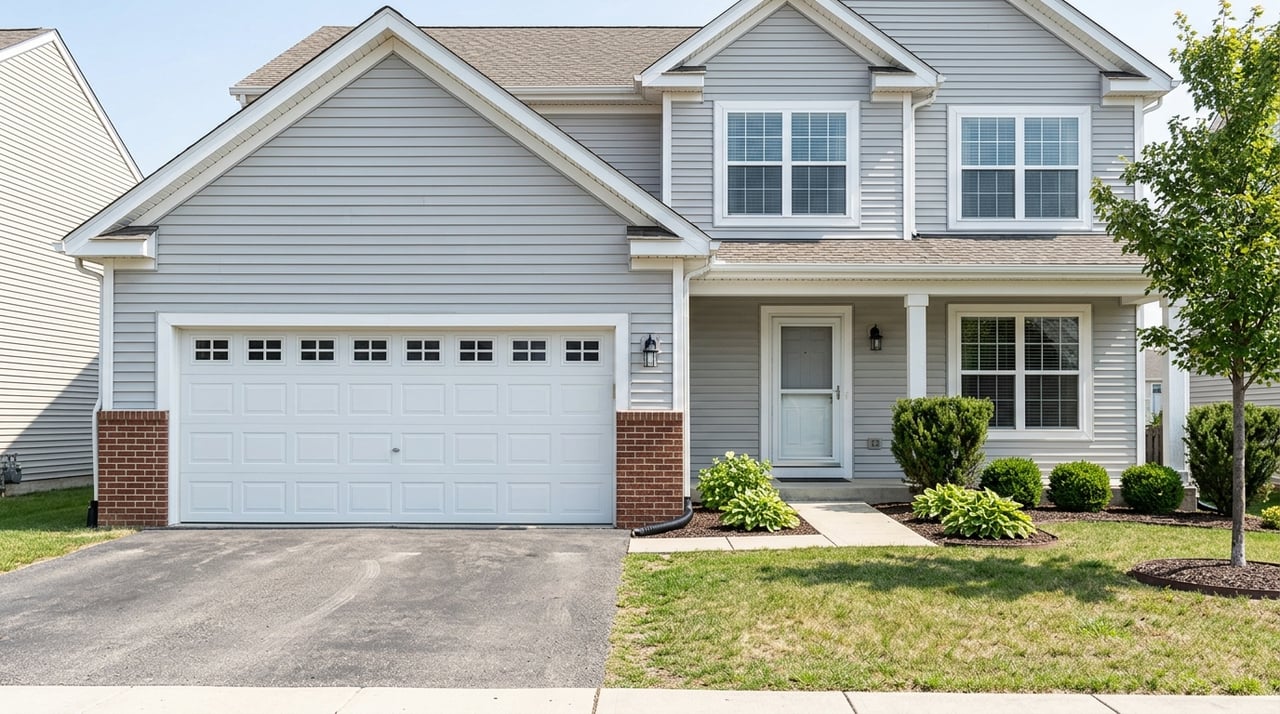
Single-family homes are often the easiest place to start. They fit Lombard’s housing mix, and they are usually easier to compare against nearby owner-occupied sales when you are trying to estimate value.
The tradeoff is that cash flow can be tight. If property taxes, insurance, and maintenance costs run high compared with local rent, the numbers may not work as well as they first appear. A single-family property can still be a strong long-term hold, but you need to underwrite it conservatively.
Small Multifamily Properties
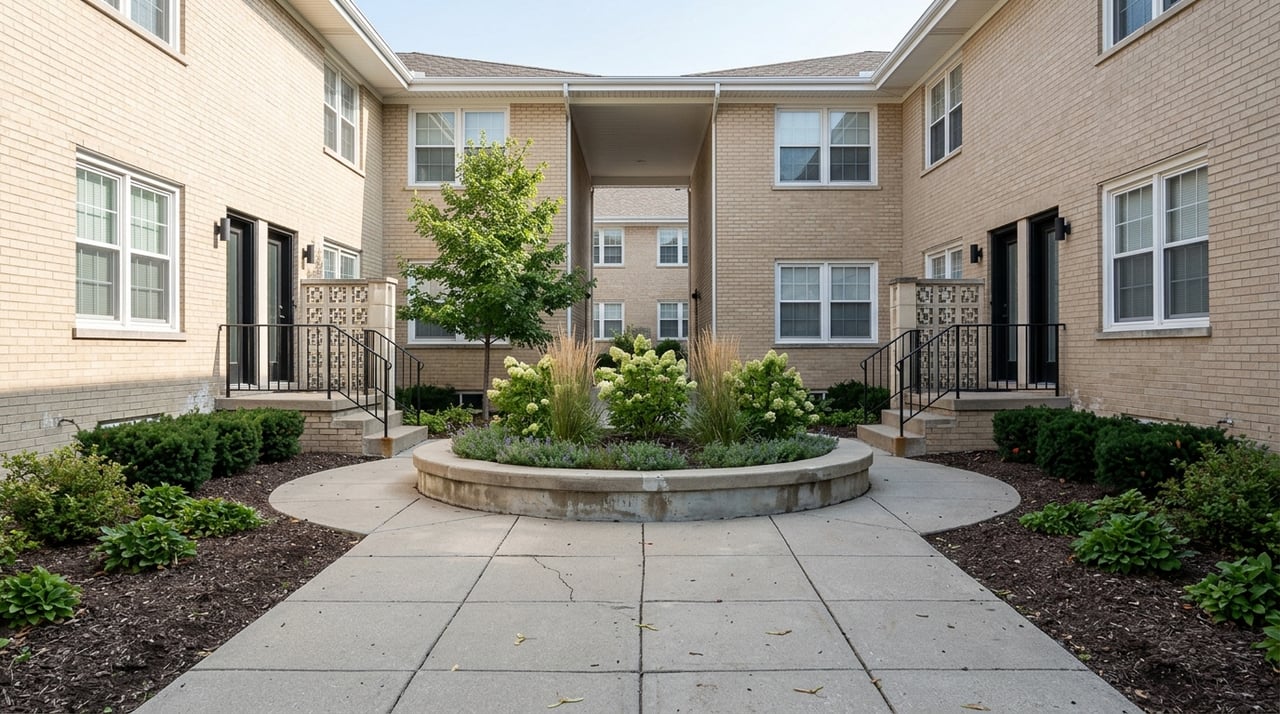
A duplex, triplex, or four-unit building can be an appealing path for a first-time investor. These properties may create multiple income streams and can spread some operating risk across more than one unit.
They can also open the door to owner-occupied strategies. The research report notes that FHA loans are available on 1- to 4-unit properties and may allow down payments as low as 3.5%, and Freddie Mac notes that 2- to 4-unit owner-occupied primary residences may allow rental income from the other units to be added to your income calculation. If you are considering this route, talk with a lender early because owner-occupied and non-owner-occupied financing are handled differently.
Condos and Townhomes
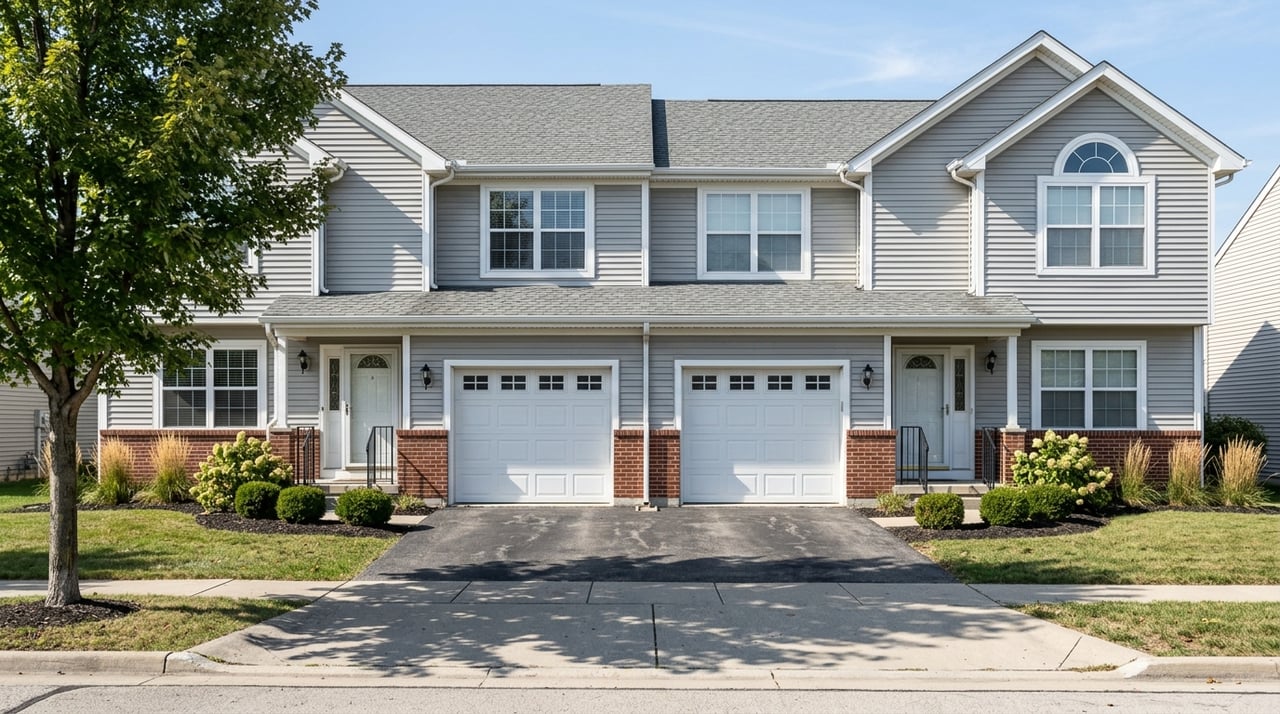
Condos and townhomes can offer a lower entry price, but they require more diligence. Association dues can affect your monthly cash flow, and association rules may affect rental flexibility, renovation plans, or future resale options.
That matters even more if your strategy depends on updates. The Village of Lombard’s permit guidance advises owners to check with any homeowners or condo association before starting work. If a deal only works because you plan to remodel, make sure the association and village requirements support that plan.
Start With a Simple Deal Screen
Before you fall in love with a property, run a basic numbers test. This does not need to be complicated, but it does need to be realistic.
A practical sequence is:
- Gross scheduled rent
- Minus vacancy or credit loss
- Minus operating expenses
- Equals net operating income, or NOI
- Minus debt service
- Equals estimated cash flow before tax
For a quick first screen in Lombard, focus on the numbers that most often make or break a deal:
- Purchase price
- Expected rent
- Property taxes
- Insurance
- HOA dues, if any
- Repairs and lease-ready costs
- A vacancy cushion
- A maintenance and emergency reserve
If the property still works after those assumptions, it may be worth moving forward. If it does not, the home may still have long-term appreciation potential, but it may not perform as a true income property right away.
Watch Property Taxes Closely
In DuPage County, property taxes are a major part of the underwriting process. You should verify taxes on the exact parcel rather than rely on a nearby property, an old listing sheet, or a seller estimate.
The county’s property records system provides parcel-level tax bills and tax allocations. The DuPage County Clerk calculates tax rates for the taxing districts, which is one reason tax projections can vary from one property to another.
There is also an annual assessment appeal window for property owners. According to the research report, that window begins June 10 and ends September 10 or 30 days after publication of the township assessment roll, whichever is later. For an investor, that makes tax review a year-round planning item, not just a line on closing day.
Understand Lombard Permits and Local Compliance
Many first-time investors focus on price and rent, but local compliance can change your budget fast. In Lombard, building permits are required for new structures and for many common alterations or renovations.
The village requires permits for work that can include additions, decks, driveways, electrical work, plumbing, pools, porches or patio enclosures, windows, and fences. Planning Services reviews zoning, building permits, certificates of occupancy, and licenses, while Code Enforcement handles zoning, nuisance, and property-maintenance issues.
That means a light fixer-upper may not be as simple as it looks. Before you close on a property with a value-add plan, confirm what work is allowed, what permits are needed, and whether your timeline still makes sense.
Know the Basics of Illinois Landlord Rules
If you plan to rent out your property, you should understand the rules that affect ongoing costs and operations. The Illinois Attorney General states that landlords must keep rentals fit to live in, make necessary repairs, and keep them in compliance with health and housing codes.
The same guidance says Illinois generally does not set a legal limit on the security deposit amount. It also says interest is required on deposits held at least six months in buildings or complexes with 25 or more units.
For buildings with five or more units, the Security Deposit Return Act requires a full return within 45 days if the tenant owes no back rent and leaves the unit undamaged and clean. If deductions are taken, an itemized statement and paid receipts are due within 30 days. The Attorney General also notes that Illinois does not have a rent-control law.
Build Your Team Early
Your first investment property is easier to evaluate when you bring in the right professionals early in the process. This is especially true when the property has multiple units, renovation needs, or financing questions.
A local broker can help you compare rental comps, understand neighborhood-level demand, and evaluate whether a property is likely to work as a single-family rental, condo, townhome, or owner-occupied 2- to 4-unit purchase. A lender should be involved before you make an offer if you are considering house hacking or any owner-occupied loan structure.
It is also wise to speak with a CPA or tax advisor before closing if you are comparing a single-family home with a duplex, triplex, or four-unit property. Differences in tax treatment, reserve planning, and depreciation assumptions can materially change your projected return.
A Smart First Step in Lombard
Starting small is not a weakness. In a market like Lombard, it can be one of the smartest ways to learn how to analyze numbers, understand local rules, and build confidence without taking on more risk than you can manage.
The key is to stay grounded in the local facts. Look closely at price, rent, taxes, insurance, association costs, repair needs, and permit requirements. When you do that well, you give yourself a much better chance of buying an investment property that fits your goals instead of just your excitement.
If you are exploring investment properties in Lombard and want clear, local guidance on what to watch for, Afrouz Kameli can help you evaluate opportunities with a practical, market-informed approach.
FAQs
What makes Lombard a good place to start with investment properties?
- Lombard offers strong commuter access, a primarily residential setting, a meaningful renter base, and a housing mix that includes both single-family homes and small multifamily properties.
What property type is usually easiest for a first-time Lombard investor?
- Single-family rentals are often the most straightforward starting point because they match much of Lombard’s housing stock and are easier to compare with nearby sales, though cash flow can be tighter if taxes and upkeep are high.
Can you buy a small multifamily property in Lombard as an owner-occupant?
- Yes. The research report notes that FHA loans are available on 1- to 4-unit properties and that some owner-occupied 2- to 4-unit financing options may allow rental income from other units to be considered, depending on loan guidelines.
What expenses matter most when analyzing a Lombard investment property?
- The most important items to verify early are purchase price, expected rent, property taxes, insurance, HOA dues if any, repair costs, vacancy assumptions, and reserve funds for maintenance and emergencies.
Why are property taxes so important for Lombard rental properties?
- Property taxes can materially affect cash flow in DuPage County, so you should verify the exact parcel’s tax bill and not assume the amount based on nearby homes or past owner costs.
Do you need permits for renovations on Lombard investment properties?
- Often, yes. Lombard requires permits for many common projects, including additions, decks, driveways, electrical work, plumbing, windows, fences, and other alterations, so renovation plans should be checked before closing and before work begins.
What Illinois landlord rules should new Lombard investors know first?
- Illinois landlords must keep rentals fit to live in, make necessary repairs, and follow applicable rules for security deposits, including timing requirements for returns and deductions in buildings with five or more units.