Thinking about buying a Schaumburg condo or townhome as a rental or house hack? You’re not alone. Schaumburg offers solid demand from local employers and commuters, plus more approachable price points than some nearby suburbs. In this guide, you’ll learn how the market works, what HOA rules can mean for your returns, how to underwrite a deal, and the must‑do steps before you write an offer. Let’s dive in.
Why Schaumburg works for investors
Schaumburg is a northwest Cook County suburb with a stable population and a strong base of owner‑occupants. The village’s population was about 77,099 in 2024 and roughly 63% of homes were owner‑occupied, according to the latest Census estimate. You can confirm current figures on the Census quick facts page for the village of Schaumburg. See the latest Census snapshot.
Pricing and rents are the other side of the equation. Typical Schaumburg home values sit around the mid‑$300s, while many condos and townhomes list below single‑family prices. Market rents commonly fall in the 1,900 to 2,400 dollar range depending on bedroom count and exact location. This pricing profile can support workable yields, especially when you buy in a financially healthy association.
Schaumburg’s demand drivers are straightforward. The area anchors major employers and retail, including corporate offices and the Woodfield Mall trade area, which helps draw steady renter interest from employees and transferees. You can review a current list of major employers on the village website. Explore Schaumburg’s employer base. Commuter access also matters. Schaumburg is served by the Metra Milwaukee District West line and major expressways, which is a plus for renter convenience. View Metra service details.
What does this mean for you? Schaumburg often balances price and rent better than some higher‑priced suburbs. Returns can look competitive for condos and townhomes if HOA costs and rules align with your plan.
What to expect from condos and townhomes
Typical buildings and fees
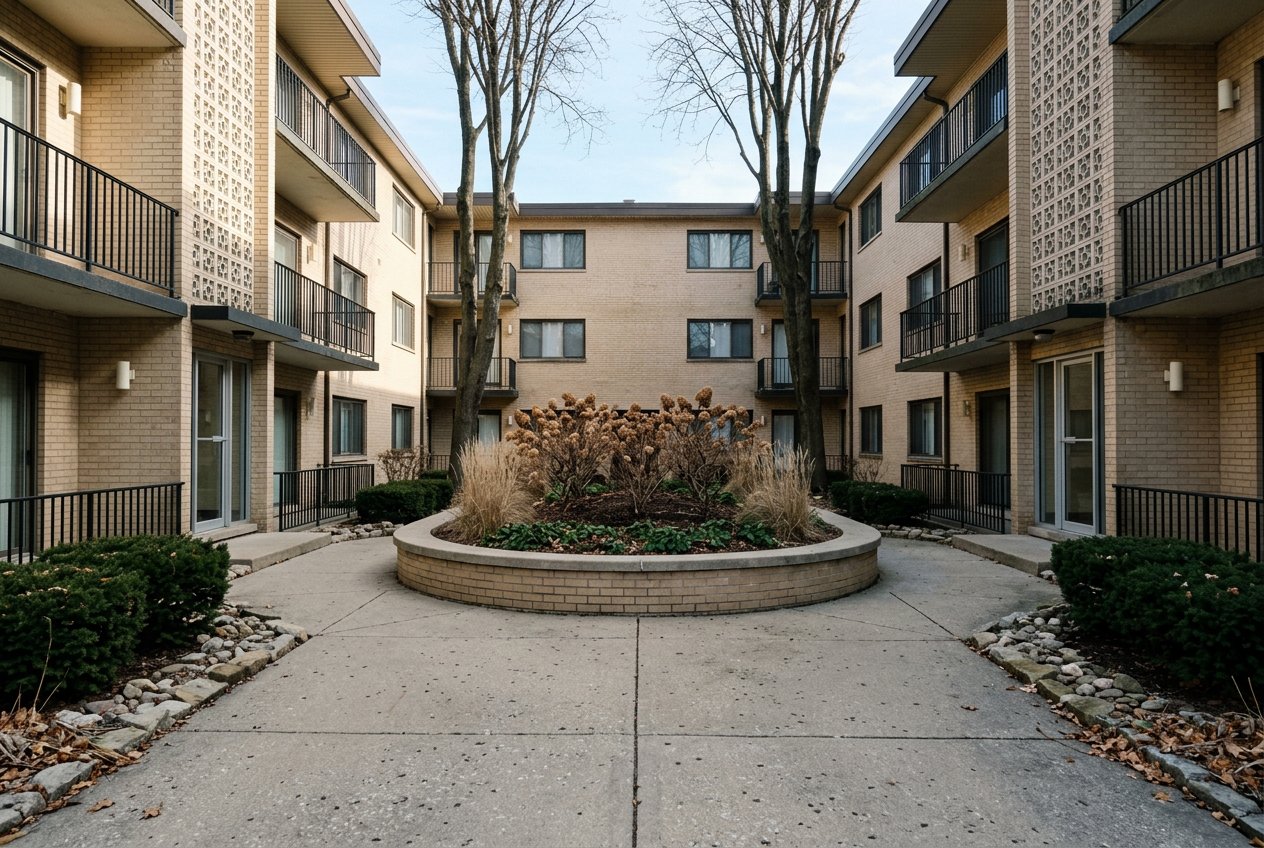
Most Schaumburg condo communities are garden‑style or low‑rise buildings from the 1970s to 1990s, with 1 to 2 bedroom units around 600 to 1,200 square feet. Townhomes often run 2 to 3 bedrooms and 1,200 to 1,800 plus square feet, with attached garages in many subdivisions.
HOA fees commonly range from about 200 to 360 dollars per month in local examples. What those fees include varies by building. Many associations cover exterior maintenance, landscaping, snow removal, common‑area insurance, and amenity upkeep. Some include water or trash. The exact inclusions make a big difference in your operating budget, so verify line items with the current HOA invoice and budget.
HOA health and special assessments
Healthy reserves protect your cash flow. Ask for the current budget, recent financials, and the latest reserve study or funding plan. Underfunded reserves and large capital projects can lead to special assessments that reduce returns or derail a deal. Industry guidance underscores the value of a current reserve study and adequate funding. See why robust reserve studies matter.
Two quick rules of thumb:
- Prioritize associations with clear, recent financials and a documented plan for roofs, paving, elevators, and building systems.
- Treat rumors of litigation, high delinquencies, or deferred maintenance as red flags until proven otherwise.
Rules and financing shape rentability
Association rules and Illinois law
Your right to rent is governed by the association’s covenants, conditions, and restrictions, not just Illinois law. Many Schaumburg associations set rental caps, waiting periods, lease minimums, or other conditions. Review the CC&Rs, bylaws, and rules with your attorney before you waive contingencies. The Illinois Condominium Property Act provides a legal framework for board powers and governance. You can read a key governance section here. Review the Illinois Condo Act, Section 18.
Financing and project review
Condo financing looks at the entire project, not only your unit. Conventional and government‑backed loans evaluate investor concentration, litigation, budget and reserves, and insurance. Some buildings are not eligible for certain programs. FHA does allow a single‑unit approval path under certain conditions, which can help if a project is not already approved. Read HUD’s update on FHA single‑unit approvals. Confirm project eligibility early so your exit options and buyer pool stay strong.
Local licensing and tenant protections
If you plan to rent your unit, you must comply with local licensing. Schaumburg requires a Village rental license for leased units, with annual renewal. Short‑term rentals follow separate rules and may require inspections. Check the Village rental license requirements.
Because Schaumburg sits in suburban Cook County, the Cook County Residential Tenant Landlord Ordinance applies. The RTLO regulates notices, certain fees, and anti‑lockout protections, and it works alongside the county’s Just Housing Amendment for screening. Build these requirements into your lease process. Learn about Cook County’s RTLO.
Underwriting a Schaumburg condo or townhome
A clear underwriting model helps you compare units and avoid surprises. Here is a simple framework that uses local starting points from public data. Always replace assumptions with property‑specific numbers.
Steps to gather data:
- Pull recent sales and current listings for price context.
- Collect rent comps by bedroom count and season. Check multiple sources and your MLS.
- Look up the parcel’s tax history and current assessed value. Start with the Cook County Assessor.
- Request the HOA resale packet, budget, reserve study, insurance declarations, meeting minutes, rental roster, and delinquency report.
- Get a lender pre‑approval that includes condo project review. Ask about conventional, FHA, or VA options.
Common starting assumptions to test:
- Vacancy and loss to lease: 4 to 8 percent, use 6 percent as a conservative default.
- HOA fee: plug in the exact amount from the association.
- Property tax: Cook County effective rates often run near 1.8 to 2.0 percent of market value, but always verify the specific parcel.
- Insurance: a condo HO‑6 policy is typically a few hundred dollars per year in Illinois; get quotes tied to the building’s master policy.
- Management: model 8 to 10 percent of collected rent if you plan to hire a manager.
- Maintenance and capital reserve: 3 to 8 percent of gross rent, higher for older buildings or thin HOA reserves.
A quick example you can adapt
Below is an illustrative two‑bedroom condo scenario. Replace every number with property‑specific data before you act.
| Line item | Example assumption |
|---|---|
| Purchase price | $275,000 |
| Market rent | $2,200 per month |
| Vacancy | 6% |
| Effective gross income | $24,816 per year |
| HOA fee | $300 per month ($3,600/yr) |
| Property taxes | ~1.89% of value ($5,198/yr at this price) |
| Insurance (HO‑6) | $410 per year |
| Management | 8% of collected rent ($1,985/yr) |
| Maintenance/CapEx reserve | 5% of gross rent ($1,320/yr) |
| Estimated operating expenses | ~$13,013 per year |
| Net operating income (NOI) | ~$11,803 per year |
| Unlevered cap rate | ~4.3% |
How to read this: condos in Schaumburg often pencil to mid‑single‑digit unlevered cap rates. Your cash‑on‑cash return will depend on financing terms, HOA specifics, taxes, and actual rent. Projects with stronger reserves and fewer restrictions support smoother operations and better exit options.
Due diligence checklist before you offer
Work the checklist below to lower risk and protect your exit strategy.
- HOA governance and finances: resale certificate/estoppel, current dues, any pending special assessments, current budget, last 3 years of financials, latest reserve study, and master insurance details. Prioritize projects with documented reserves and clear capital plans.
- Rules that affect rentability: leasing caps, waiting periods, lease term minimums, pet rules, short‑term rental language, and any home‑based business restrictions. Ask for a current list of rented units and HOA delinquency rates.
- Condition and project risk: recent meeting minutes, litigation disclosures, and planned projects for roofs, siding, paving, elevators, or boilers.
- Taxes and comps: Cook County parcel tax history and equalized assessed value, plus recent sale comps and rental comps by bedroom count. Start with the assessor, then layer in MLS data. Review how Cook County taxes are calculated.
- Lending and exit planning: confirm project eligibility for your loan type or a single‑unit approval if needed. Ask your lender how project status might affect your resale buyer pool.
- Operations and compliance: line up a Village rental license, add RTLO disclosures to your lease, and calendar renewals. Keep proof of license and inspections on file. Check the Village rental license page and Cook County RTLO.
Strategy and nearby comparisons
Schaumburg often trades at lower price points than Naperville and Arlington Heights, which can translate to stronger income yields on condos and townhomes. Higher‑priced suburbs may offer different appreciation profiles and longer owner‑occupant hold times, which can compress cap rates. Decide whether your priority is near‑term income, longer‑term appreciation, or a balanced mix, then buy in buildings with strong reserves and clear leasing policies.
If you hold long term, three practices make a difference:
- Target financially sound associations where special‑assessment risk is lower.
- Choose floor plans and locations with broad renter appeal near jobs and transit.
- Preserve exit flexibility by favoring warrantable projects or those that can qualify for single‑unit approvals.
Ready to invest with confidence?
If you want an experienced partner to help you identify rent‑ready buildings, scrutinize HOA health, and model returns with real local numbers, let’s talk. I can help you source, underwrite, and negotiate Schaumburg condos and townhomes that fit your goals. Connect with Afrouz Kameli to get started.
FAQs
Is Schaumburg a good place to invest in condos and townhomes?
- Schaumburg combines commuter access, a strong employer base, and approachable price points, which can support steady rental demand and workable yields when HOA costs and rules align with your plan.
What HOA documents should you review before buying a Schaumburg condo?
- Request the resale certificate, current budget and recent financials, reserve study, master insurance declarations, meeting minutes, leasing rules, a list of rented units, and any litigation or special‑assessment notices.
Can you rent out a Schaumburg condo right after closing?
- It depends on the association’s leasing rules; many have rental caps, waiting periods, or minimum lease terms, so you must review CC&Rs and bylaws and confirm in writing before you waive contingencies.
Do you need a rental license to lease a Schaumburg condo?
- Yes, the Village requires a rental license for leased units with annual renewal; short‑term rentals follow separate rules and may require inspections, so verify the process with the Village before you market the unit.
How do Cook County property taxes affect condo returns in Schaumburg?
- Cook County’s effective tax rates are material and can compress NOI; use the assessor’s parcel data to model taxes for the exact unit and stress test your pro forma before you offer.
What loan programs work for Schaumburg condos and townhomes?
- Conventional, FHA, and VA can all be options if the project meets program guidelines; FHA also allows single‑unit approvals in certain cases, so coordinate early with your lender to protect your exit buyer pool.