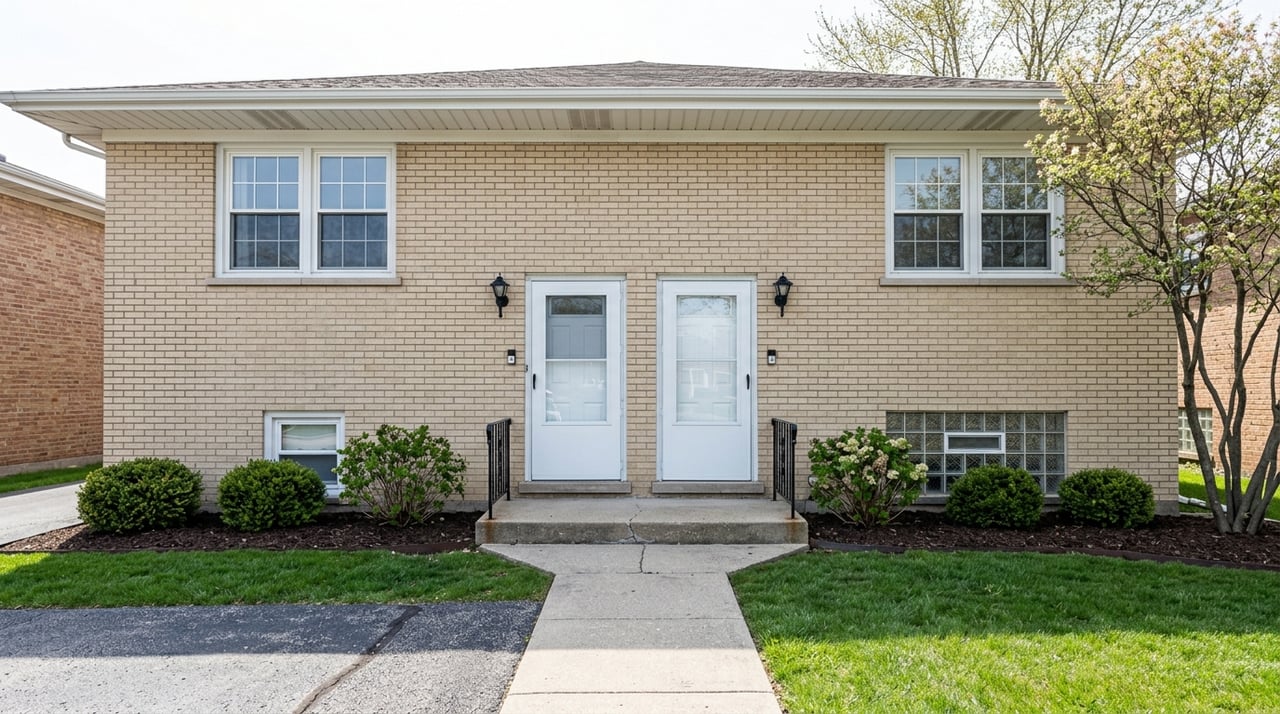
Want your home to help pay for itself? In Glendale Heights, house hacking can be a practical way to lower your monthly housing costs, create extra income, and make your property work harder for you. The key is to balance the opportunity with the local rules, costs, and property types that shape what is actually realistic here. Let’s dive in.
Why house hacking fits Glendale Heights
House hacking usually means you live in the property while renting out part of it. That could mean a bedroom, a finished basement space that meets code, or a duplex or small multifamily property where you occupy one unit and rent the others.
In Glendale Heights, the local housing mix makes those strategies worth a closer look. CMAP data shows a blend of detached homes, attached homes, small multifamily buildings, and larger apartment buildings, which means shared living and rental setups are already part of the local housing picture.
The numbers also help explain why buyers are interested in this strategy. Census data shows the median monthly owner cost with a mortgage is $1,868, while median gross rent is $1,590. That does not guarantee what any specific room or unit could rent for, but it does show why even partial rental income may make a meaningful difference in your monthly budget.
Common house hacking options
Renting out a room
For many homeowners, renting out a room is the simplest place to start. You are using space you already have, which may mean lower upfront costs than buying a multifamily property or remodeling part of the home.
That said, Glendale Heights has an annual rental licensing and inspection program for residential rental property. Before you advertise a room or sign an agreement, it is smart to confirm how the village classifies your setup and whether the rental rules apply to your property.
Finishing a basement for income
A basement can seem like a natural house hacking opportunity, especially if you want more privacy between living areas. In Glendale Heights, this option requires careful planning because permits and code compliance matter from the start.
The village requires permits before most construction begins. Its remodeling rules also require basements and sleeping rooms to have an operable emergency escape and rescue opening. If the opening is below grade, the project may also need a compliant window well and, in some cases, a ladder.
If your project costs more than $10,000, the village requires plans sealed by a licensed structural engineer or architect. That means basement income potential should never be the first step in your planning. Code review should be.
Buying a duplex or small multifamily property
If you want a more intentional house hacking setup, buying a duplex or small multifamily property may be the clearest path. You live in one unit and rent the others, which can create a more defined owner-occupant arrangement.
This is a realistic category to explore in Glendale Heights because the village has a meaningful share of attached housing and multifamily stock. Still, every property needs local review for licensing, inspection, and any planned improvements before you count on a rental strategy.
Know the Glendale Heights rules first
House hacking works best when you treat compliance as part of the investment. In Glendale Heights, that means understanding the village's rental licensing and building permit requirements before you make changes or bring in a tenant.
Annual rental licensing and inspections
The village requires every residential rental property to be licensed and inspected annually. Applications and fees are due by February 1, licenses expire January 31, and late fees can accrue monthly if a license is not obtained on time.
Owners are responsible for coordinating inspections with tenants. The village also requires a lease addendum and acknowledgment form for covered rentals, which is another reason to confirm your property's classification early.
Permit requirements for improvements
Most construction projects require a building permit in Glendale Heights. The applicant must be the owner or an authorized agent, and contractors must be registered with the village.
The village has adopted current building codes, including the 2021 IRC and the 2024 Illinois Energy Conservation Code. If your renovation budget is over $10,000, sealed plans from a licensed structural engineer or architect are required.
Basement egress rules matter
If your plan involves a basement sleeping area, emergency escape and rescue openings are a major issue. Glendale Heights specifically requires these openings, and below-grade openings must meet window well and ladder rules when applicable.
This is one of the biggest reasons buyers should avoid assuming a basement can automatically become rentable space. A home may have usable square footage, but that does not mean it is ready for a legal rental setup without review.
Budget for the real costs
A good house hack is not just about rent. It is about whether the numbers still make sense after you account for the full cost of owning, maintaining, and operating the property.
At a minimum, your budget should include:
- Mortgage payment
- Property taxes
- Insurance
- Utilities
- Vacancy
- Repairs
- Maintenance
- Licensing fees
- Inspection fees
- Permit costs
For Glendale Heights buyers, those local cost benchmarks are useful context. With a median monthly owner cost of $1,868 and median gross rent of $1,590, it is easy to see why people explore house hacking here. The smart move, though, is to build your budget conservatively and treat projected rental income as a possibility, not a promise.
Screening tenants the right way
If you plan to rent part of your home, consistency matters. Illinois adds fair housing protections that include source of income, along with other protected categories, so your screening process should be uniform for every applicant.
A safe approach is to use the same application questions, the same review standards, and the same documentation process for everyone. Illinois guidance says you may ask about income sources to verify ability to pay, but you must handle non-employment income fairly and evaluate applicants case by case.
That also means avoiding ad language or screening habits that single out one type of applicant. If you are going to use minimum credit score standards or income verification, apply them reasonably and consistently.
How to choose the right strategy
Not every house hack fits every buyer. The best option depends on your comfort level, property type, renovation appetite, and long-term goals.
Best for a lower-cost starting point
Renting a room may be the easiest first step if you already own a home or want to buy a property with extra space. It often requires less capital upfront, but you should still confirm whether the village rental program applies.
Best for adding separate living space
A basement conversion may offer more privacy, but it is also the most code-sensitive option. If you are considering this route, start with permit and egress questions before you focus on finishes or income projections.
Best for a more defined investment plan
A duplex or small multifamily property may be a better fit if you want clearer separation between your living space and your rental units. This route can be attractive for buyers who want owner-occupied real estate with built-in income potential and are comfortable managing a more formal rental setup.
What buyers should do before making an offer
If you are shopping for a house hack in Glendale Heights, move carefully. The right property is not just one with extra space. It is one where the layout, condition, and local requirements support your plan.
Before you move forward, ask:
- How is the property currently configured?
- Will your intended use trigger rental licensing requirements?
- Are there any unpermitted improvements?
- Will planned updates require village permits?
- Does a basement sleeping area meet egress rules?
- What annual licensing and inspection costs should you budget for?
This is where local guidance matters. A property that looks promising online may tell a different story once you review permits, layout, and compliance details.
House hacking can be smart, with the right plan
In Glendale Heights, house hacking is not just a trendy idea. It is a practical strategy that lines up with the local housing stock, the area's mix of owner and renter households, and the real pressure of monthly housing costs.
The opportunity is real, but so is the need for planning. If you start with the numbers, confirm the village requirements, and choose a property that fits your goals, you can put yourself in a much stronger position to turn your home into an asset.
Whether you are comparing a room-rental setup, a basement remodel, or a small multifamily purchase, having a local advisor can help you spot both the upside and the hidden friction points. If you are exploring house hacking in Glendale Heights or anywhere in DuPage County, connect with Afrouz Kameli for practical, local guidance tailored to your goals.
FAQs
Can you legally rent a room in your Glendale Heights home?
- Possibly, but you should confirm how Glendale Heights classifies the arrangement and whether the village's rental licensing and inspection program applies before advertising or signing a lease.
Can you turn a Glendale Heights basement into rental space?
- Yes, but only after permit review and code compliance planning, including required emergency escape and rescue openings and any window well or ladder requirements for below-grade spaces.
Does Glendale Heights require rental licenses for house hacking?
- Glendale Heights requires every residential rental property to be licensed and inspected annually, with applications and fees due by February 1 and licenses expiring January 31.
Are duplexes or small multifamily homes realistic in Glendale Heights?
- Yes, Glendale Heights has a meaningful share of attached housing and multifamily stock, which makes this a realistic category to explore, though each property still needs local compliance review.
What should you include in a Glendale Heights house hacking budget?
- Include your mortgage, property taxes, insurance, utilities, vacancy, repairs, maintenance, licensing fees, inspection fees, and permit costs so you can evaluate the strategy realistically.